Open navigation menu - Kieri Solutions
NIST SP 800-171 Rev 3, What Changed and What It Means for Your CMMC Timeline

NIST SP 800-171 Rev 3, What Changed and What It Means for Your CMMC Timeline

Man at a desk in a dark office reading text on a computer monitor, NIST SP 800-171 Rev 3

In this article

Someone on your team downloads the current version of NIST SP 800-171 from the NIST website, opens it, and finds 97 requirements instead of the 110 you have been working with.

There are domains that you have never documented: Planning, System and Services Acquisition, and Supply Chain Risk Management.

Next, they find brackets associated with an Organizationally Defined Parameter (ODP) sitting inside the requirements themselves, waiting for someone to fill in a value.

This is Revision 3, which has been published since May 2024. Unfortunately, it is not what your current assessment is based on.

Here is what actually changed, what it will require, and why the answer is less urgent than that download makes it look.

What is NIST SP 800-171 Rev 3

NIST SP 800-171 Revision 3 is the current published version of the standard, released in May 2024. It replaces Revision 2 as the NIST standard for protecting Controlled Unclassified Information in nonfederal systems.

Published is not the same as required. NIST writes the standard. The agency buying from you decides when a standard applies to its contracts, and that decision happens through rulemaking, not through a publication date. Rev 3 has been sitting in that gap for over two years.

So you can download Rev 3 today, read every requirement in it, and still be assessed against Rev 2 tomorrow.

That gap is closing unevenly, which is the part most contractors miss. Defense contracts still run on Rev 2. Civilian and GSA work is a different answer (we will get to that below).

How Many Requirements are in NIST SP 800-171 Rev 3

Rev 3 has 97 security requirements across 17 families. Rev 2 has 110 across 14.

That reads like a reduction of 13. It is not.

NIST withdrew requirements that were redundant or not directly tied to protecting the confidentiality of CUI. Several Rev 3 requirements merge what Rev 2 treated as separate items. At the same time NIST added new requirements and introduced parameters that the organization defines. On the surface, that may seem like the Organization Seeking Assessment, but for Department of War (DoW) customers, they have been mostly defined for you. GSA has its own ODP list as well.

The count is a function of how the material was grouped. It is not a measure of how much work it represents.

This is the most common misreading we see. If your leadership hears 97 instead of 110 and concludes that Rev 3 is lighter, correct that early. The count is smaller. The scope is broader.

NIST SP 800-171 Rev 2 vs Rev 3, What Actually Changed

Rev 2 Rev 3
Requirements 110 97
Control families 14 17
Requirement structure Basic and derived Single tier
Parameter values Left to the contractor to define Organization-defined, with DoW and GSA setting most of them
Identifiers Standalone numbering Mapped to NIST SP 800-53 Rev 5
CMMC status Enforced standard Not yet adopted
GSA CUI status Superseded Required since January 2026

Three of those rows carry most of the practical weight.

The basic and derived split is gone. Rev 2 divided each family into basic requirements and derived requirements. Rev 3 drops that structure entirely. Most SSPs list all the controls rather than organizing around that split, so for most contractors this changes the structure of the standard more than it changes the document.

Identifiers now map to NIST SP 800-53. If your organization also works with FedRAMP or FISMA standards, this reduces translation work between frameworks. If NIST SP 800-171 is the only standard you touch, it mostly means many of your requirement numbers stop matching and every cross-reference in your documentation needs rework.

Parameters are now defined, and often not by you. Under Rev 2 the parameters were genuinely individual and organization defined. Under Rev 3 they are organization-defined parameters, and for DoW and GSA customers the organization is the department. That one deserves its own section.

The 17 NIST SP 800-171 Rev 3 Control Families

Fourteen families carry over from Rev 2. Three are new. One was renamed.

ID Family Status in Rev 3
AC Access Control Carried over, expanded
AT Awareness and Training Carried over, broadened
AU Audit and Accountability Carried over, expanded
CA Security Assessment and Monitoring Renamed and broadened
CM Configuration Management Carried over, expanded
IA Identification and Authentication Carried over, expanded
IR Incident Response Carried over, broadened
MA Maintenance Carried over, clarified
MP Media Protection Carried over, clarified
PE Physical Protection Carried over, clarified
PS Personnel Security Carried over, clarified
RA Risk Assessment Carried over, expanded
SC System and Communications Protection Carried over
SI System and Information Integrity Carried over
PL Planning New
SA System and Services Acquisition New
SR Supply Chain Risk Management New


Organization-Defined Parameters in NIST SP 800-171 Rev 3

Rev 2 requirements are prescriptive. The requirement exists or it does not, and you implement it. Rev 3 builds flexibility into many requirements by leaving a bracketed value to be chosen.

Instead of stating a fixed account lockout rule, a Rev 3 requirement reads more like this.

Enforce a limit of [ODP: number of consecutive invalid logon attempts] consecutive invalid logon attempts by a user during a [ODP: time period] time period.

You (or the government agency or department) pick the number and period, then both become part of your documented security program. Appendix D of NIST SP 800-171A Rev 3 lists all of the ODPs in one consolidated place.

Three obligations follow

Your System Security Plan has to record the specific value that applies, not just confirm the requirement is implemented. Your systems have to enforce that value exactly, so if the SSP says five failed attempts, the configuration says five. And an assessor working from NIST SP 800-171A Rev 3 checks both sides, comparing what you wrote against what your systems actually do.

A mismatch between the two is a finding, even when the implemented value is perfectly reasonable on its own.

Where the parameters cluster

Family What you define Where it has to match
Access Control Lockout threshold, lockout duration, session lock timeout, inactivity termination Group Policy or device configuration profile
Identification and Authentication Minimum password length, reuse restrictions, conditions that force a change Password policy and authentication method settings
Audit and Accountability Which events you are logged, retention period, review frequency Log retention settings and your review records
Configuration Management Baseline review frequency, approved software list scope Change management records and baseline documents
Risk Assessment Vulnerability scan frequency, remediation timelines by severity Scanner schedule and POA&M

The number that may apply to you depends on your environment and your scope. Treating these requirements as a fill-in-the-blank exercise is the fastest way to fail those objectives.

Keep a single parameter register. One table listing every value your organization has chosen, referenced from the SSP rather than buried in prose across forty documents. When a value changes, you update one row and you know exactly which configurations have to follow. The Kieri Compliance Documentation is built this way for exactly that reason.

The New Rev 3 Control Families: Planning, System and Services Acquisition, and Supply Chain Risk Management

Planning, System and Services Acquisition, and Supply Chain Risk Management have no Rev 2 equivalent. This could mean creating new documents instead of editing existing documentation.

Planning (PL)

PL makes security planning an explicit, auditable requirement rather than an assumed precondition. It covers the SSP, your policy documents, and rules of behavior, each as its own requirement:

  • A formally structured SSP documenting your security architecture decisions, reviewed at defined intervals, with a defined process for updating it when your environment changes.
  • Policy documents, updated under a requirement separate from the one covering the SSP.
  • Rules of behavior your users have acknowledged, also a separate requirement.

Most organizations with a well maintained SSP already satisfy the intent. Rev 3 asks you to prove it.

System and Services Acquisition (SA)

SA covers systems engineering principles, replacing legacy hardware, and making sure external service providers, rather than every vendor you work with, meet certain security requirements. For DoW that means FedRAMP Moderate or equivalent for cloud service providers and NIST SP 800-171 for everyone else. It is not really a change from Rev 2, it just has a control spelled out for it now. You need criteria for assessing a service before you adopt it, security requirements written into external service provider contracts, and a process for revisiting those assessments when a provider’s posture changes. If you have already worked through the external service provider requirements in the CMMC Program Rule, there is meaningful overlap here, which could indicate that the work has already been done.

Supply Chain Risk Management (SR)

SR covers the plan to manage, mitigate and identify supply chain risk:

  • A plan to manage supply chain risk, developed, reviewed, updated, and protected from unauthorized disclosure.
  • Risk mitigation through acquisition strategies, tools and methods that identify, protect against and mitigate supply chain risks.
  • Risk identification through a process to identify and address weaknesses and deficiencies, and to enforce the ODP supply chain risks.

The ODPs here are integrating supply chain risk management into procurement and defining the processes that make suppliers disclose significant vulnerabilities and incidents.

SR is the domain that people underestimate. It is not a setting you configure once. It involves purchasing and legal in addition to IT. Those conversations take longer than a technical change. If you are mapping your Rev 3 gap, start here.

Does CMMC Use NIST SP 800-171 Rev 2 or Rev 3

As of August 2026, Revision 2 is still used by CMMC.

The 32 CFR Part 170 CMMC Program Rule is written against NIST SP 800-171 Revision 2. Moving to Revision 3 is not a memo. It requires a rulemaking update that formally adopts Rev 3, updated assessment guidance, retrained assessors, revised SPRS scoring, and a defined transition period during which organizations can actually implement the changes.

None of those steps has a published date.

On July 13, 2026 the Department of War suspended CMMC Phase 2. This included the third-party certification milestone scheduled for November 10, 2026, and opened a review of the program. Phase 2 is only about the requirement for a third-party assessment, and Phase 3 is about CMMC being fully integrated into the contracting process. Neither one is a Rev 3 track.

Two things about that review matter here.

The first is what did not change:

  • Phase 1 self-assessment remains enforced.
  • DFARS 252.204-7012 remains enforced.
  • NIST SP 800-171 Revision 2 remains the enforced standard.

The Department paused a verification mechanism. It did not pause the obligation to protect CUI.

The second is easy to miss: The Request for Information issued alongside the suspension asks which requirements deliver the most measurable risk reduction and which impose the greatest burden for the least benefit. That question reaches the requirement set itself, not only the assessment process. This means that the review may not just be about who verifies your compliance, but potentially the standards themselves.

Read all of that as extra allotted time to align on Rev 3, not as a reason to stop.

Where NIST SP 800-171 Rev 3 Is Already Required

This is the part that gets lost in the CMMC conversation. Rev 3 is not waiting everywhere. It is waiting on the Department of War.

GSA has already moved. Since January 5, 2026, GSA contractors handling CUI work to NIST SP 800-171 Rev 3 plus selected controls from 800-172, under GSA’s IT security procedural guides. That requirement carries an independent third-party assessment rather than self-attestation, a set of controls that must be in place before award, and a one hour incident reporting window instead of the 72 hours DFARS allows.

The FAR CUI rule points the same direction. The FAR Council published a revised proposed rule on June 23, 2026 that would require Rev 3 for any system holding CUI, and it applies to civilian and defense contractors alike. The Council has signaled it expects to finalize before the end of 2026 with no phase-in period.

So, the honest answer to “When do I need Rev 3?” depends on who you sell to. If your work is entirely DoW, you may have time. If you hold a GSA schedule or do civilian agency work, Rev 3 is either your standard today or close to it.

Check your contracts before you decide this is a next-year problem.

Does NIST SP 800-171 Rev 3 Change Your SPRS Score

Not today. SPRS scoring runs on the DoD Assessment Methodology, which is built around the 110 Rev 2 requirements and their point weights. A 97 requirement standard with different identifiers cannot drop into that scoring model unchanged.

Revised scoring is one of the steps that has to happen before Rev 3 applies to defense contracts, and it has not been published. Keep scoring and posting against Rev 2.

What Defense Contractors Should Do About Rev 3 Right Now

The answer depends on where you are.

If you are not yet compliant with Rev 2, work on Rev 2 and nothing else. Your SPRS score, your SSP, your POA&M, and any assessment in the near term are all measured against 110 requirements. Building toward a requirement set nobody is assessing produces documentation that will not match what an assessment asks for.

If you are already compliant or certified, start with the three new families. PL, SA, and SR are where your documentation says nothing at all, so that is where a few hours of review returns the most information. After that, review your existing requirements. If you work under DoW contracts, the DoW has already set almost all of the ODPs, so go through the newly added and significantly changed controls that appear throughout and make sure you are following them.

If you are mid-implementation, build with Rev 3 in mind wherever the extra effort is small. Structure your SSP so parameter values have a place to live. Keep a list of the sources where your evidence comes from rather than the old evidence itself, because most Rev 3 requirements map back to something you already do.

If you sell to civilian agencies or hold a GSA schedule, treat Rev 3 as current work rather than planning work, and read your contract language first.

What Carries Forward From Your Rev 2 Program

One thing worth saying plainly: Most of a solid Rev 2 program carries into Rev 3.

Effort Where it sits What it takes
Review and extend PL, SA, SR New policies and procedures, plus purchasing and legal involvement for SR. Parts of all three pull from Rev 2 requirements
Extend what exists AC, AU, CM, IA, RA, CA Additional requirements plus documented parameter values
Review and update Whole SSP Go through the NIST SP 800-171A Rev 3 controls, update your SSP controls accordingly, and renumber cross-references to 800-53 identifiers
Limited changes AT, MA, MP, PE, PS Clarifications rather than substantive change
Maintain evidence process Entire program Screenshots, tickets, logs, and completed checklists stay valid


Knowing where changes apply is the difference between extending a program and rebuilding one.

The contractors who will have the easiest Rev 3 transition are the ones with a working Rev 2 program and the habit of generating evidence as they operate. The ones who paused everything in July and will restart from a cold stop are the ones who will feel it.

NIST SP 800-171 Rev 3 FAQ

How many controls are in NIST SP 800-171 Rev 3

97 security requirements across 17 control families. Rev 2 has 110 across 14. The lower count comes from consolidating and withdrawing requirements, not from a reduced standard.

Is NIST SP 800-171 Rev 3 required right now

For DoW contracts, no, because Rev 2 is the enforced standard under DFARS 252.204-7012 and the CMMC Program Rule. For GSA contractors handling CUI, yes, since January 2026. The proposed FAR CUI rule would extend Rev 3 to civilian contractors as well.

What is the difference between NIST SP 800-171 Rev 2 and Rev 3

Rev 3 has three new families (Planning, System and Services Acquisition, Supply Chain Risk Management), drops the basic and derived requirement structure, maps identifiers to NIST SP 800-53 Rev 5, and introduces organization-defined parameters. If you are not supporting a DoW contract you set those values yourself. DoW and GSA each publish their own ODPs.

What are organization-defined parameters in NIST SP 800-171 Rev 3

Bracketed values inside a requirement, such as an account lockout threshold or an audit log retention period. For GSA and DoW, the organization that chooses them is the agency, not the organization seeking assessment. You record the value in your SSP, configure your systems to match it, and an assessor compares the two.

When will CMMC move to NIST SP 800-171 Rev 3

No date has been published. A move requires rulemaking that adopts Rev 3, updated assessment guidance, retrained assessors, revised SPRS scoring, and a transition period. The July 2026 suspension of CMMC Phase 2 is a separate track and does not set a Rev 3 date.

Do I need to rewrite my SSP for NIST SP 800-171 Rev 3

Update rather than rewrite. The content of a solid Rev 2 SSP mostly carries over. What changes is going through the NIST SP 800-171A Rev 3 controls and updating your SSP controls accordingly, the cross-references, since identifiers now map to 800-53, and the addition of your parameter values and three new families.

Does NIST SP 800-171 Rev 3 change my SPRS score

No. SPRS scoring uses the DoD Assessment Methodology built on the 110 Rev 2 requirements. Revised scoring for Rev 3 has not been published, so keep scoring and posting against Rev 2.

Does the FAR CUI rule use NIST SP 800-171 Rev 2 or Rev 3

Rev 3. The revised proposed rule published June 23, 2026 is built on NIST SP 800-171 Revision 3 and applies to civilian and defense contractors. The FAR Council expects to finalize before the end of 2026 with no phase-in period.

Get a Clear Read on Your NIST SP 800-171 Position

If you are not certain how your program measures against the 110 requirements that apply today, a CMMC gap analysis gives you a written answer with detailed findings for each assessment objective. Our assessors perform real CMMC Level 2 and NIST SP 800-171 assessments, so what comes back reflects what an assessment actually looks for rather than a checklist interpretation.

If what you need is the documentation itself, the Kieri Compliance Documentation covers both revisions, with policies, procedures, and a System Security Plan written out rather than left blank. It is the same set we used to pass our own CMMC Level 2 assessment. You can see a demo of the KCD before you decide anything.

We do not provide both consulting and formal CMMC assessments to the same clients. If you are considering Kieri Solutions for a future certification assessment, tell us up front and we will report findings without recommending fixes, which keeps our independence intact.

Schedule a call and we will talk through where you stand.

Related Reading on NIST SP 800-171 and CUI

For what comprises the documentation set, see CMMC compliance documentation templates, inside the KCD.

For a compliant Microsoft 365 environment built for CUI and ITAR, see the Kieri Reference Architecture.

For guides, checklists, and datasheets, see the Kieri resources center.

Cybersecurity data analysis supporting CMMC Level 2 audit preparation for defense contractors

Evidence Review

Thorough examination of your compliance evidence. We verify documentation completeness.

Don't miss these

NIST SP 800-171 Rev 3, What Changed and What It Means for Your CMMC Timeline
Man at a desk in a dark office reading text on a computer monitor, NIST SP 800-171 Rev 3
NIST SP 800-171 Rev 3, What Changed and What It Means for Your CMMC Timeline
CMMC Backup Requirements and The Myths Worth Ignoring
Server backup drives in a dark data center supporting CMMC backup requirements for a defense contractor
CMMC Backup Requirements and The Myths Worth Ignoring
How to Prepare for a DIBCAC High Assessment
Analyst reviewing evidence on dark dual monitors while preparing for a DIBCAC High assessment
How to Prepare for a DIBCAC High Assessment
Out of Scope Assets - What the Final Rule Actually Changed
Abstract data cityscape tied to out of scope assets in a CMMC assessment by Kieri Solutions
Out of Scope Assets - What the Final Rule Actually Changed
CMMC Proposed Rule Analysis - What Defense Contractors Need to Know
Dark cybersecurity image with glowing data illustrating CMMC final rule compliance for defense contractors
CMMC Proposed Rule Analysis - What Defense Contractors Need to Know
CMMC Phase 2 Suspended and What Defense Contractors Need to Know
Analyst reviewing code while working toward CMMC and NIST 800-171 compliance
CMMC Phase 2 Suspended and What Defense Contractors Need to Know
CUI Assets - What Assessors Actually Evaluate
Abstract network of nodes tied to CUI assets and CMMC scope assessed by Kieri Solutions
CUI Assets - What Assessors Actually Evaluate
Do I Even Have CUI? Understanding What You Need to Protect
Abstract data network tied to finding CUI on a defense contractor network with Kieri
Do I Even Have CUI? Understanding What You Need to Protect
Why the DoD Wants Security Protection Data Protected Like CUI
Abstract data network tied to security protection data and CMMC scope assessed by Kieri
Why the DoD Wants Security Protection Data Protected Like CUI
Why Your CMMC Gap Analysis Might Be Worthless - 110 Practices vs 320 Assessment Objectives
Cybersecurity professional conducting CMMC gap analysis for a defense contracting organization
Why Your CMMC Gap Analysis Might Be Worthless - 110 Practices vs 320 Assessment Objectives
Building a CMMC Level 2 Compliant Network You Can Actually Manage
Network architecture visualization for a CMMC Level 2 reference architecture built on Microsoft 365 GCC High
Building a CMMC Level 2 Compliant Network You Can Actually Manage
Why Most CMMC Documentation Fails and How to Fix It
CMMC compliance documentation policies and procedures
Why Most CMMC Documentation Fails and How to Fix It
What Passed a DOD Assessment for System Baselining and Inventories
CMMC system inventory and baseline configuration monitoring dashboard
What Passed a DOD Assessment for System Baselining and Inventories
How to Implement Mobile Code Requirements for CMMC Level 2
CMMC mobile code security controls and technical implementation
How to Implement Mobile Code Requirements for CMMC Level 2
What Does "Monitor" Actually Mean in CMMC Requirements?
CMMC monitoring requirements - access control and password security verification
What Does "Monitor" Actually Mean in CMMC Requirements?
The Version 20 Problem and How to Avoid It
CMMC compliance documentation sequence - cybersecurity program management
The Version 20 Problem and How to Avoid It
Build Your Own CMMC Level 2 Compliant Environment with the Kieri Reference Architecture
CMMC Level 2 compliant environment security controls and access management
Build Your Own CMMC Level 2 Compliant Environment with the Kieri Reference Architecture
Inside the KCD - What Makes This Documentation Different
CMMC compliance documentation templates digital security
Inside the KCD - What Makes This Documentation Different
How the Kieri Compliance Documentation and Reference Architecture Work Together
Kieri Compliance Documentation and Reference Architecture working together for CMMC Level 2 compliance
How the Kieri Compliance Documentation and Reference Architecture Work Together
What's Actually Inside the Kieri Compliance Documentation? A Complete Walkthrough
CMMC compliance documentation and reference architecture security controls - fingerprint scanning and access management
What's Actually Inside the Kieri Compliance Documentation? A Complete Walkthrough
CMMC Assessments by Kieri Solutions
Global cybersecurity compliance support for defense contractors under DFARS
CMMC Assessments by Kieri Solutions
CMMC Education: User vs Network Session Termination
Secure IT infrastructure design supporting CMMC Level 2 compliance for defense contractors
CMMC Education: User vs Network Session Termination
CMMC Proposed Rule has been released! 
Cybersecurity threat - CMMC compliance
CMMC Proposed Rule has been released! 
Interested in the Kieri Compliance Documentation?
Secure data transmission within CMMC compliant network architecture
Interested in the Kieri Compliance Documentation?
How to fix Outlook missing Friday January 13 2023
Interconnected defense contractor networks requiring CMMC Level 2 cybersecurity certification
How to fix Outlook missing Friday January 13 2023
C3PAO Meeting - July 26, 2021 12-1 pm EDT
NIST SP 800-171 DoD Self Assessment Services
DFARS 252.204-7012 and NIST SP 800-171 requirements
NIST SP 800-171 DoD Self Assessment Services
vSphere Health detected new issues in your environment 6.7
vcenter 6.7 alarm displays vsphere health detected new issue
vSphere Health detected new issues in your environment 6.7
vCenter Health Warning: External Platform Services Controller
Synology storage latency and disconnects on VMware
Windows Stuck in Recovery Mode Datto driver signing
Office 365 MFA App Password Missing Fix
Microsoft Teams Conference Calls & Dial-In Numbers
C: Drive Full Exchange
Exchange server very slow, services and network blank
Exchange 2016 DAG - 3 servers 2 sites
Diagram showing mailbox servers with active and passive databases. Each database is only active on one server.
Exchange 2016 DAG - 3 servers 2 sites
Netapp 3rd-party CA certificates expiring DeutscheTelekomRootCA2
Kieri Solutions partnering with defense contractors to achieve CMMC Level 2 certification
Netapp 3rd-party CA certificates expiring DeutscheTelekomRootCA2
vCenter 6.7 Memory Exhaustion and vSphere health (Tiny)
warning vsphere health detected new issue memory exhaustion 6.7 vcenter
vCenter 6.7 Memory Exhaustion and vSphere health (Tiny)
Step by Step: Upgrade vCenter VCSA 6.0 (or 6.5) to 6.7
How to prepare for a DoD CMMC audit and certification
cybersecurity CMMC DoD NIST 800-171 compliance nist 800-53
How to prepare for a DoD CMMC audit and certification
Fix Expired vCenter Root Password (6.5 & 6.7)
How to rename Windows Server 2016 Domain Controller
Runtime Error Adding Host in VMware vCenter & ESXi
add host a general runtime error occurred vcenter 6.5 6.7
Runtime Error Adding Host in VMware vCenter & ESXi
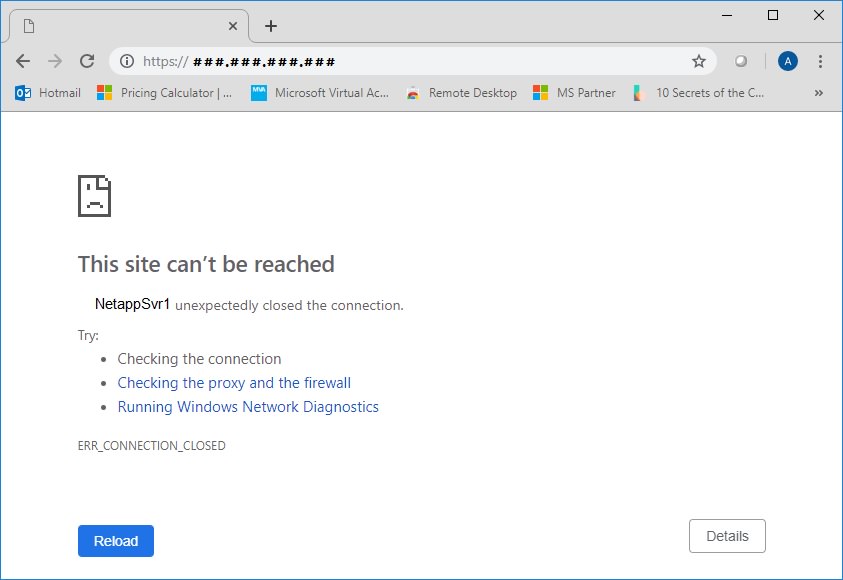
How to fix Netapp expired self-signed certificate by creating a new one
netapp certificate expired install site cant be reached
How to fix Netapp expired self-signed certificate by creating a new one
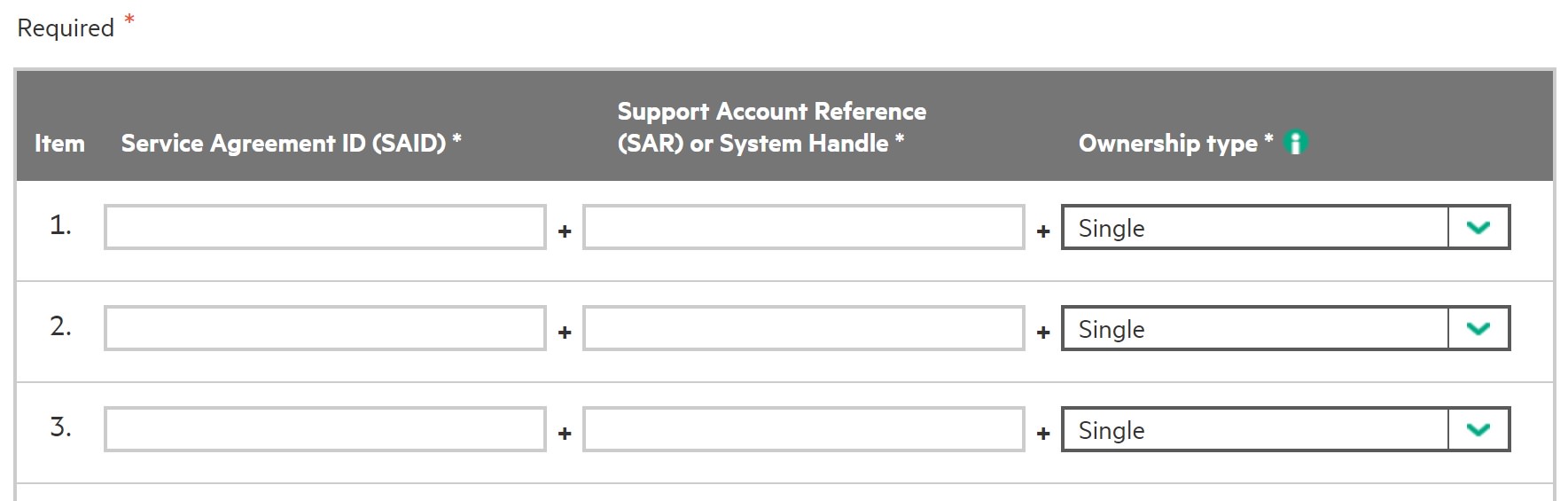
How to register a warranty or service agreement on HPE website
hpe hp register account SAR ID service agreement warranty how accept
How to register a warranty or service agreement on HPE website
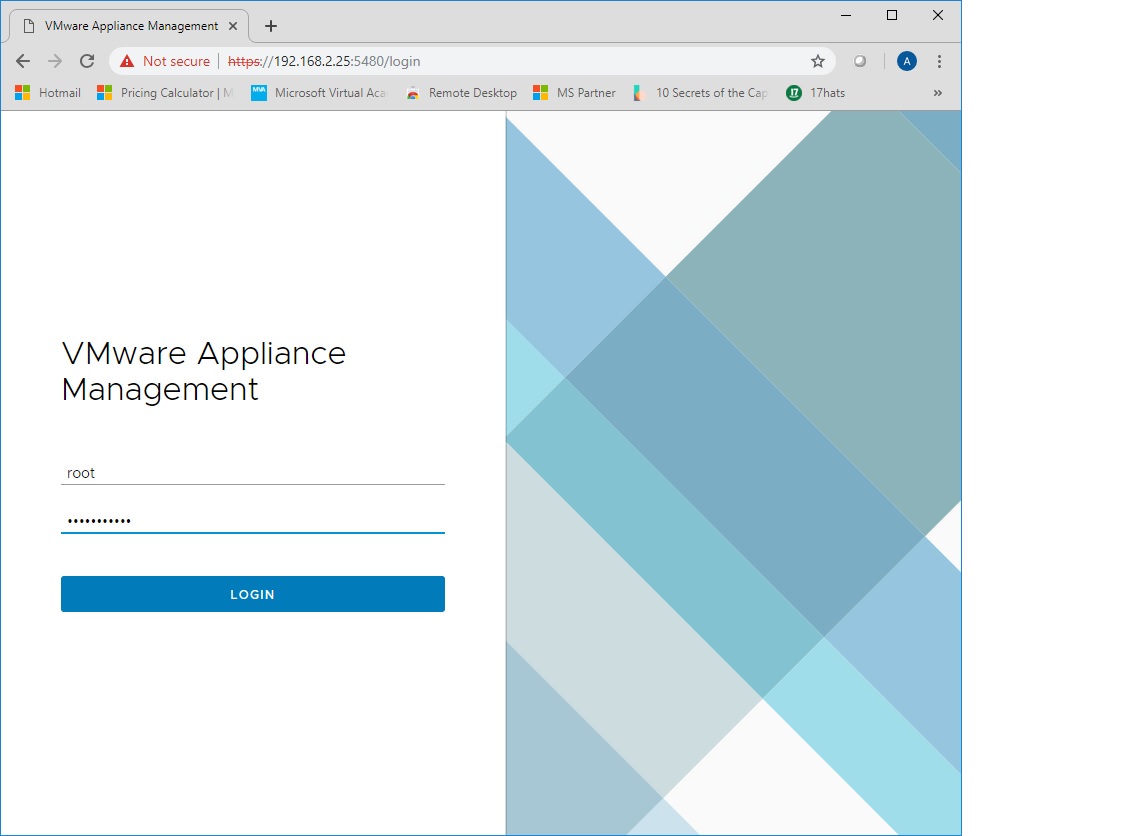
How to install vCenter 6.7 (and 6.0 and 6.5) with no DNS, only IP address
vcenter ip address no dns
How to install vCenter 6.7 (and 6.0 and 6.5) with no DNS, only IP address
How to disable continuous scrolling on Kindle - turn on page flip
disable continuous scrolling option displays
How to disable continuous scrolling on Kindle - turn on page flip
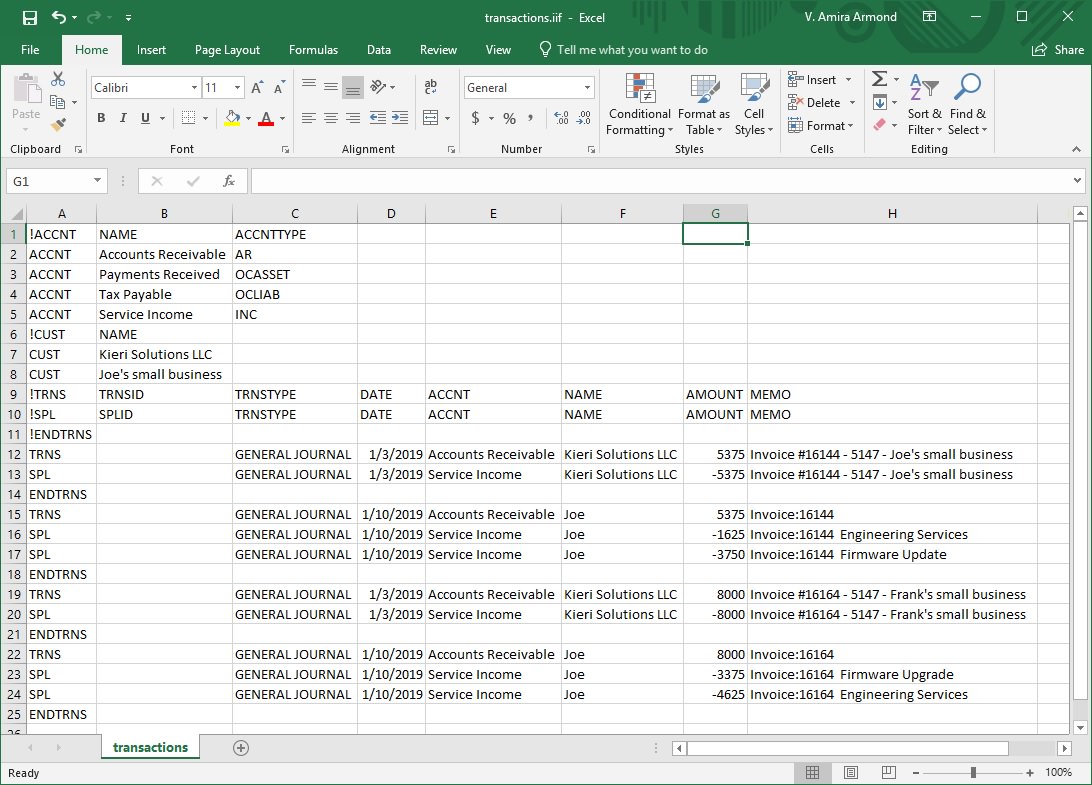
17hats how to export or convert to Excel CSV TAB XLS workbook
17hats export convert iff to csv tab excel
17hats how to export or convert to Excel CSV TAB XLS workbook
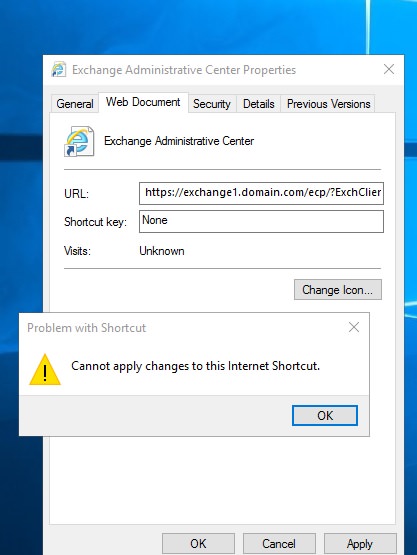
How to fix "Cannot apply changes to this Internet Shortcut" Windows
cannot apply changes to this internet shortcut 2016 2019
How to fix "Cannot apply changes to this Internet Shortcut" Windows
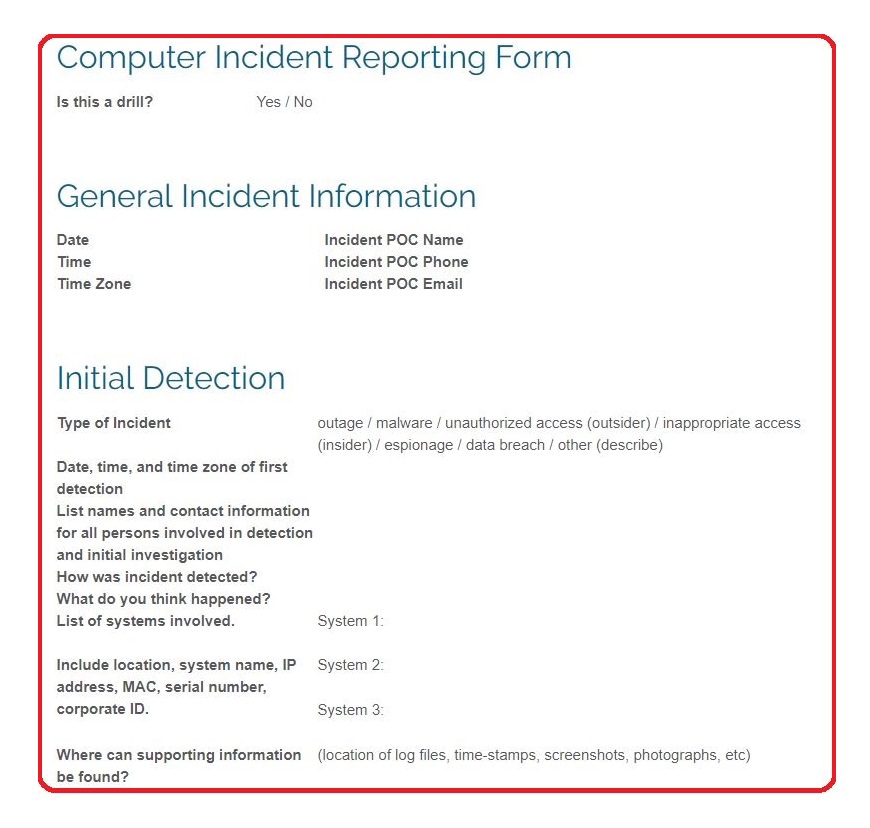
Best Free Computer Incident Response Templates and Scenarios
best free incident response reporting form cybersecurity IT
Best Free Computer Incident Response Templates and Scenarios
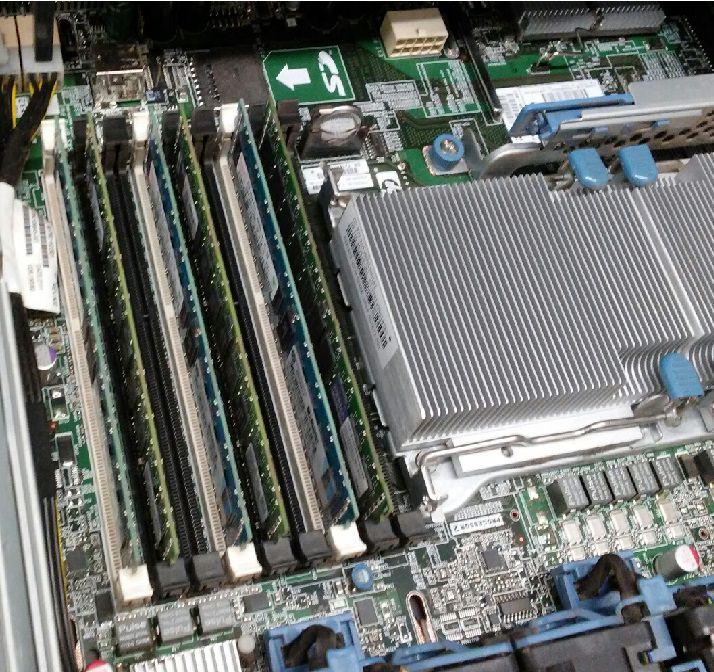
Firmware & System Patching Services | DC & Maryland
poweredge server raid reconfigure add disks 1 5
Firmware & System Patching Services | DC & Maryland

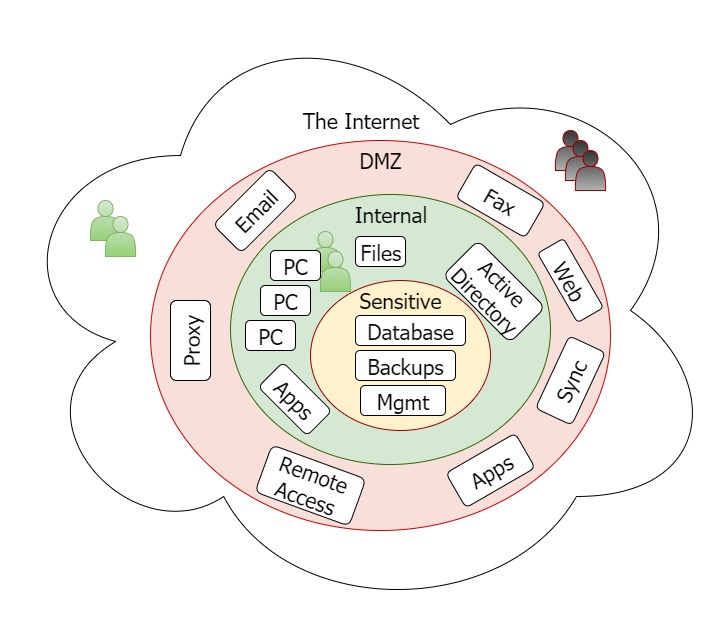
Network hardening near Baltimore MD, Frederick, Rockville, Gaithersburg and DC
Best practice network segmentation and hardening prevents pivot attacks NIST
Network hardening near Baltimore MD, Frederick, Rockville, Gaithersburg and DC
VMware vSphere ESX and vCenter Upgrade 5.5 to 6.0 or 6.5 or 6.7 best practices
Best practices and how to install esxi vsphere vcenter vmware and troubleshooting problems during the migration
VMware vSphere ESX and vCenter Upgrade 5.5 to 6.0 or 6.5 or 6.7 best practices
Disaster Recovery & Business Continuity in DC & Maryland
disaster recovery drp bcp hipaa frederick columbia gaithersburg baltimore rockville
Disaster Recovery & Business Continuity in DC & Maryland
VMWare and Netapp consultant in DC, Baltimore, Columbia, Frederick, and Rockville MD
installation services netapp disk shelf baltimore columbia rockville
VMWare and Netapp consultant in DC, Baltimore, Columbia, Frederick, and Rockville MD
SBDC - Intro to GDPR training - Frederick MD
intro gdpr overall sbdc fitci frederick
SBDC - Intro to GDPR training - Frederick MD
GDPR and Human Resources
cybersecurity cyber security hardening compliance firewall design frederick
GDPR and Human Resources
No, your computer isn't slow.
why slow computer pc repair frederick damascus mt airy md
No, your computer isn't slow.
Why you should consider a credit freeze - EquiFax hack
credit freeze equifax hack how to breach innovis
Why you should consider a credit freeze - EquiFax hack
Virtual Servers, Storage, and SAN - Why your servers are slow
cybersecurity compliance design consulting engineering
Virtual Servers, Storage, and SAN - Why your servers are slow
How to un-freeze your laptop like a pro
pc or computer problem repair damascus lisbon mt airy laytonsville
How to un-freeze your laptop like a pro
Upgrade your IT Services for the New Year
managed services it department outsource company frederick columbia germantown gaithersburg
Upgrade your IT Services for the New Year
Dell PowerEdge R730 PERC RAID online reconfiguration
poweredge server raid reconfigure add disks 1 5
Dell PowerEdge R730 PERC RAID online reconfiguration
Dreamhost HTTP error Wordpress media upload and library
dreamhost http error picture disappear upload shared wordpress
Dreamhost HTTP error Wordpress media upload and library
FortiAnalyzer Configuration problems after initial deploy
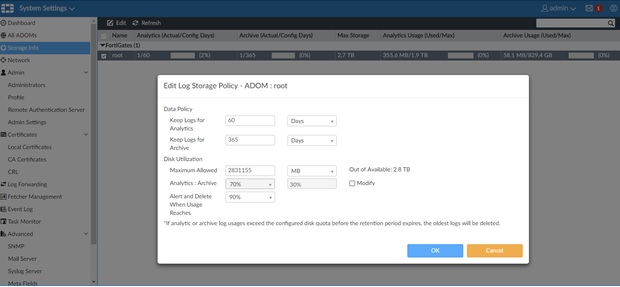
FortiAnalyzer 5.4 Storage Quota Limits for ADOM root
FortiAnalyzer Configuration problems after initial deploy
FortiAnalyzer Report: User Web Browsing by Category
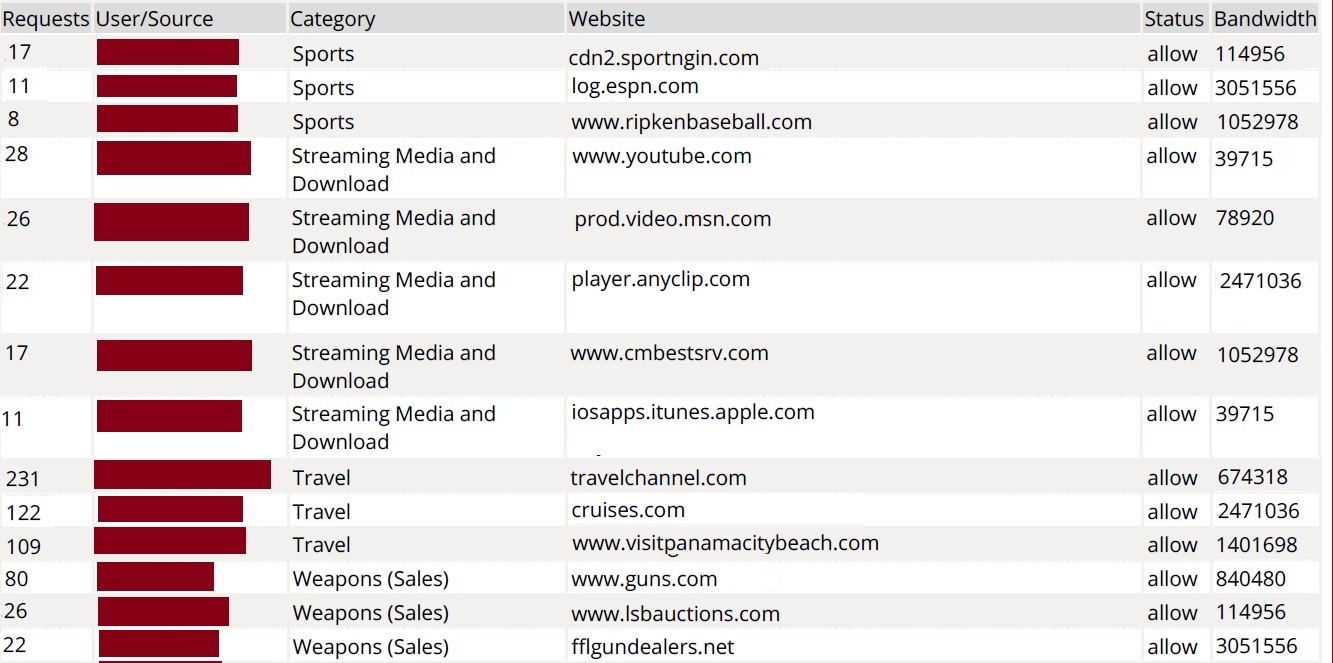
fortianalyzer custom report users by category who is browsing web goofing off
FortiAnalyzer Report: User Web Browsing by Category
GDPR Consulting - What you need to know
cybersecurity CMMC DoD NIST 800-171 compliance nist 800-53
GDPR Consulting - What you need to know
The #1 Computer Security Threat Just Evolved - RCE Worm
cybersecurity cyber security compliance firewall frederick md
The #1 Computer Security Threat Just Evolved - RCE Worm
Fix vSphere & vCenter Datastore Size Reverting
security design cybersecurity consulting services compliance
Fix vSphere & vCenter Datastore Size Reverting
HP DL360p g8 ESXi 5.5 to 6.5 upgrade conflicting_vibs_error
conflicting vibs error vsphere upgrade metadata consultant vmware
HP DL360p g8 ESXi 5.5 to 6.5 upgrade conflicting_vibs_error
Is your IT person holding the network hostage?
Server Upgrade Cybersecurity Consultant SAN Netapp Frederick
Is your IT person holding the network hostage?
4 Hiring Mistakes When Choosing an IT Company
mistakes when hire IT consultant MSP managed service provider computer support outsourcing
4 Hiring Mistakes When Choosing an IT Company
What you should know about Cloud Computing and Office 365
cloud IT department migration Office 365 Frederick Baltimore Columbia MD
What you should know about Cloud Computing and Office 365
Can You Make Our Nation Safe from Hackers?
The Ultimate Way to Protect Against Computer Theft
Kieri Solutions site icon
The Ultimate Way to Protect Against Computer Theft
Small / medium business security concerns
managed services it department outsource company frederick columbia germantown gaithersburg
Small / medium business security concerns
Approaches to security policy
cybersecurity cyber security hardening compliance firewall design frederick
Approaches to security policy

Article

NIST SP 800-171 Rev 3, What Changed and What It Means for Your CMMC Timeline
Man at a desk in a dark office reading text on a computer monitor, NIST SP 800-171 Rev 3

Article

CMMC Backup Requirements and The Myths Worth Ignoring
Server backup drives in a dark data center supporting CMMC backup requirements for a defense contractor

Article

How to Prepare for a DIBCAC High Assessment
Analyst reviewing evidence on dark dual monitors while preparing for a DIBCAC High assessment

No one wants to start from blank templates.

No one wants to start from
blank templates.

Stop starting from blank templates. Get documentation proven through actual CMMC Level 2 assessment.